



Endings are Hard, Don’t Make it Harder
Divorce can be accomplished through Self-Filing, Mediation, Litigation, or Collaborative Practice. Learn more about what’s right for you and your family.
 What is Collaborative Practice Divorce
Collaborative Practice is a method of arriving at settlements and resolving disputes that uses a team approach to resolving conflict using a friendly and collaborative process that helps clients craft their own agreements and keeps the clients in control of their future and maintains what is most important: family, finances, and emotional health (as defined by the California Chapter of Collaborative Practice).
Clients work together in a respectful way, keeping in mind the importance of protecting their children and other involved people from conflict. Decisions are made by the participants without the involvement of a judge or other decision authority.
Trust & Estates matters greatly benefit from the Collaborative approach to resolve disputes more peacefully while preserving family relationships. This process helps to enable continuing relationships after the current conflict has been resolved.
Your Collaborative Team
The Collaborative Practice includes non-litigating attorneys, a neutral financial divorce specialist, mental health divorce coaches, and possibly a child specialist. The inclusion of a mental health professional as an integral part of the team helps calibrate, attenuate, and navigate emotional waters that arise in divorce and settlement of trusts and can help develop Co-Parenting plans and relationships.
Attend a free monthly DIvorce Options course that outlines the four types of divorce.
To learn more about whether Collaborative Practice is right for you, contact Dr. Valerie Sher at drval@drvaleriesher.com or 650-332-4656.

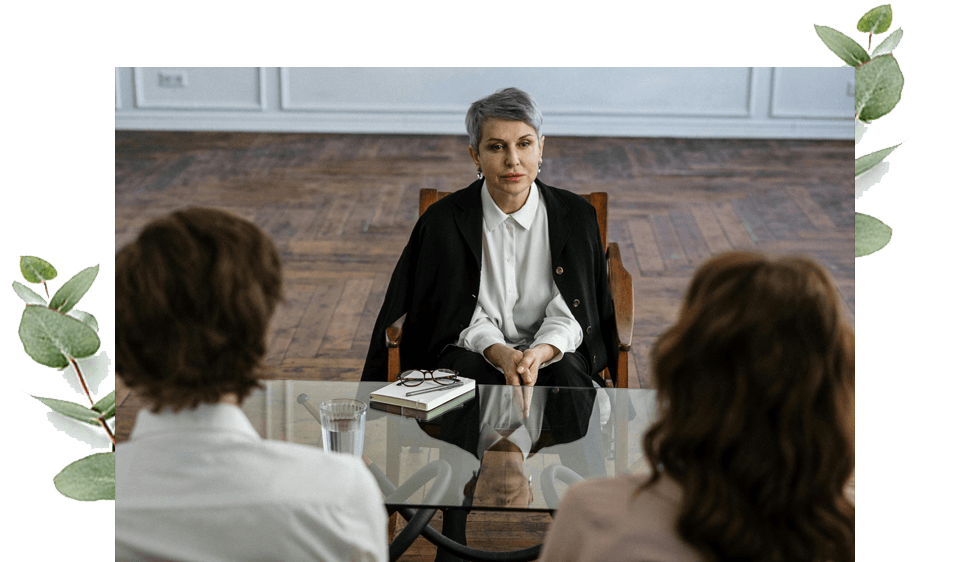
What Are Collaborative Divorce Coaches?
Collaborative Divorce Coaches—typically licensed mental health professionals — manage the emotional, communication, and co-parenting aspects of separation, helping parties to reduce conflict, stay goal-focused, and negotiate effectively outside of court. They streamline the process, lower costs by curbing emotional deadlock, and facilitate productive, respectful settlement talks.
What Collaborative Divorce Coaches Do
- Manage Emotions: They help clients cope with the stress, anger, and grief of divorce, preventing emotional outbursts from stalling negotiations.
Improve Communication: Coaches teach skills to help spouses communicate constructively, ensuring both parties feel heard and respected. - Set Goals & Focus: They assist in identifying individual needs and long-term goals, keeping the process “on track” and focused on solutions rather than past conflicts.
- Develop Parenting Plans: They work with parents to create co-parenting structures, helping transition from an intimate relationship to a business-like coparenting dynamic.
- Facilitate Meetings: Coaches often manage the agenda in joint sessions, intervening when discussions become unproductive.
Identify Roadblocks: They help clients recognize behaviors or “hot buttons” that impede progress.
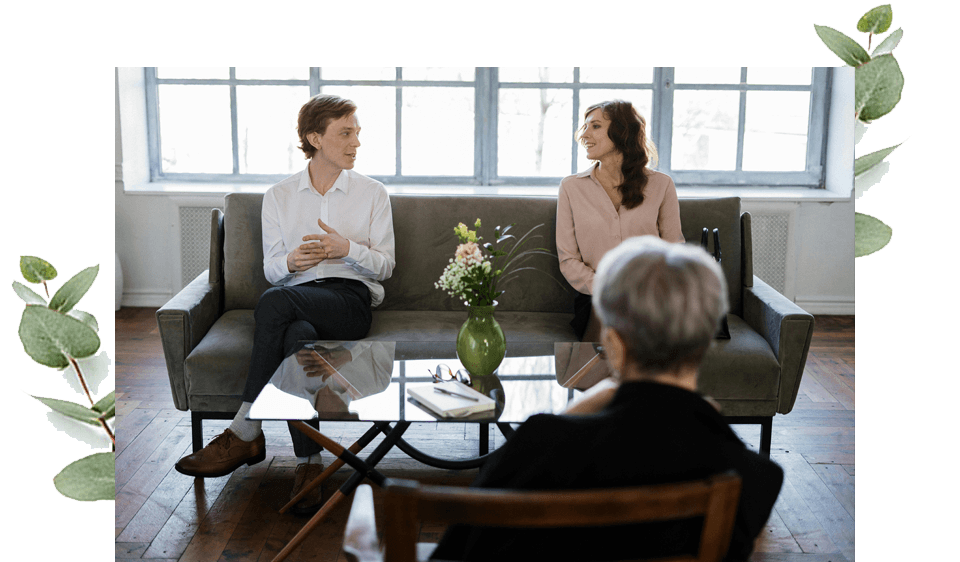
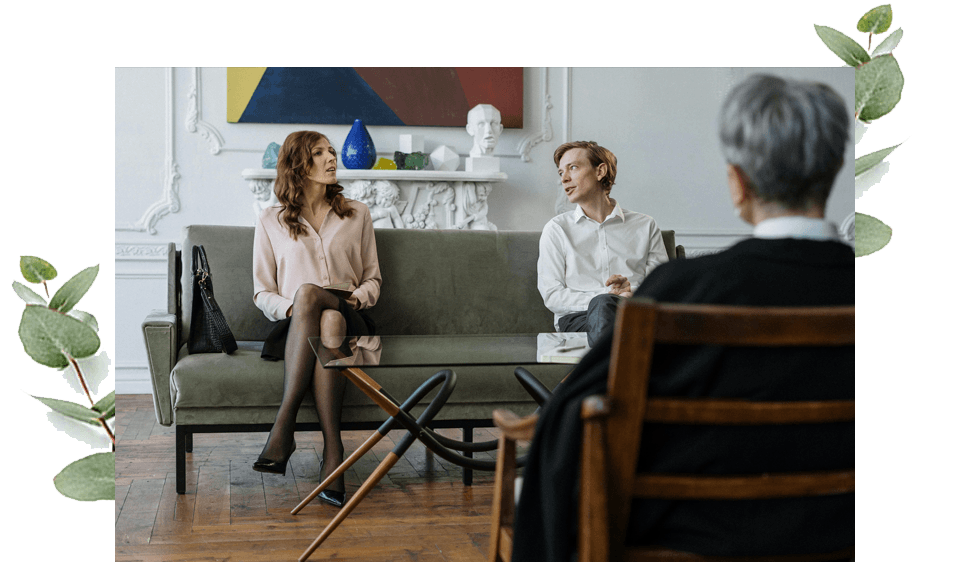
How They Help (Key Benefits)
- Reduced Conflict & Cost: By keeping emotions in check, they minimize arguments, which speeds up the process and reduces legal fees.
- Better Decision Making: Clients make rational, future-focused decisions rather than reactive ones.
- Child-Centered Approach: They ensure the children’s needs remain central, especially when creating parenting plans.
- Structured Support: They provide a neutral, safe space to process feelings without using legal counsel as a therapist.
- Efficient Process: They act as glue for the team, integrating with lawyers and financial experts to ensure smooth workflow.
In essence, divorce coaches ensure the process is healthier, faster, and more amicable, aiming for a settlement both parties can live with.
As a Collaborative Practice Divorce Coach, I help people navigate the intense emotions that can arise, and move through challenges, and to feel more empowered in their decision-making, and ability to move forward. Moving forward helps build resiliency, and helps you to help your children be resilient.
Call 650-332-4656 or email drval@drvaleriesher.com to discuss your situation and whether Collaborative Practice is right for you.
Valerie Sher, PhD is a member of the Collaborative Practice San Mateo and Collaborative Practice Golden Gate professional groups, and CPCAL. Because this approach is coaching, rather than therapy, services are available beyond the bounds of California.